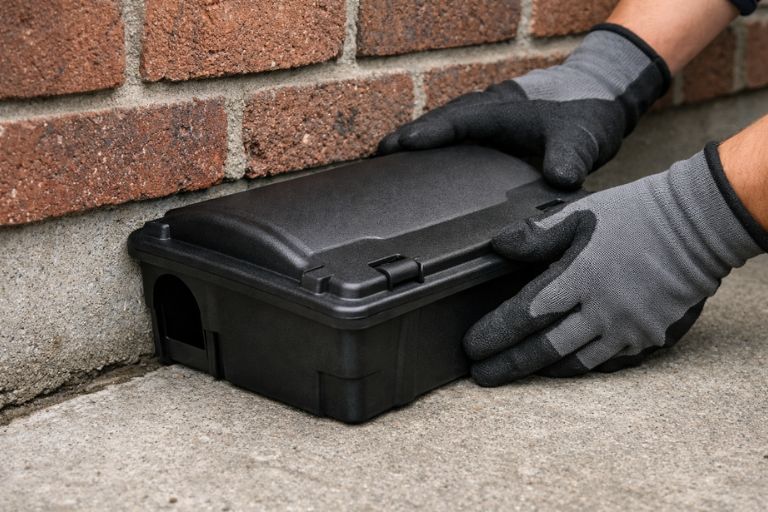
Rat nest removal in Lubbock, TX.
Rat nests left in place after treatment keep the contamination problem alive — they harbor pathogens, attract insects, and in attics, compress insulation R-value over time. We locate and remove nesting material along with the cleanup and follow-up exclusion that prevents new nests from forming.
Call (806) 207-3665Rat nest removal is the physical extraction and disposal of rat nesting material — shredded insulation, plant matter, fabric scraps, and other debris — from attics, wall voids, crawl spaces, and equipment storage where roof rats and Norway rats have established colonies. In Lubbock, TX, rat nests in attic insulation are the most common scenario, concentrated in the older neighborhoods where roof-rat pressure is highest.
What rat nests contain and why they matter.
A rat nest in an attic is not just nesting material — it's a concentrated deposit of droppings, urine, and potentially carcasses from animals that died inside the nest. Roof-rat nests in attic insulation can be surprisingly large: a well-established colony may have a primary nest the size of a basketball, surrounded by satellite nesting sites spread across 15–20 feet of insulation. The nesting compresses the insulation, reducing its R-value, and the urine saturation creates a persistent odor that can penetrate the ceiling below.
Norway rat nests are found at ground level — under equipment, inside burrow systems, and in the compressed insulation beneath a pier-and-beam floor. These are typically denser and wetter than roof-rat attic nests, and the odor from an established ground-level nest is often the first sign that brings us in on Norway rat calls.
What rat nest removal includes.
- Nest location — systematic attic walk or ground-level inspection to locate all nesting sites, including satellite nests away from the primary colony location.
- PPE-protected removal — N95 respirator, gloves, and disposable coveralls. All nesting material wet-treated with disinfectant before handling.
- Bagged disposal — nesting material double-bagged and removed from the property.
- Affected area disinfection — attic decking, insulation surface, and surrounding area treated with EPA-registered disinfectant after nest removal.
- Insulation damage assessment — extent of compression and urine saturation noted. Replacement recommendation provided where applicable.
Pricing in Lubbock.
| Scenario | Typical range | Notes |
|---|---|---|
| Single nest site (attic) | $200–$400 | Nest removal + surrounding area disinfection |
| Multi-site attic nest removal | $350–$700 | Multiple nesting locations, larger attic footprint |
| Ground-level nest (crawl space or under equipment) | $200–$450 | Includes crawl-space access |
| Nest removal + insulation assessment | Included | Replacement quoted separately if needed |
Inspections are free. Quotes confirmed before work starts.